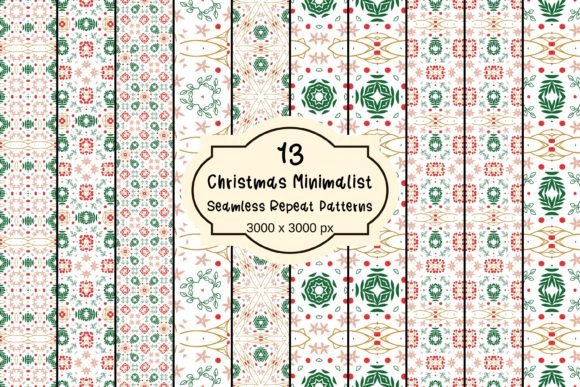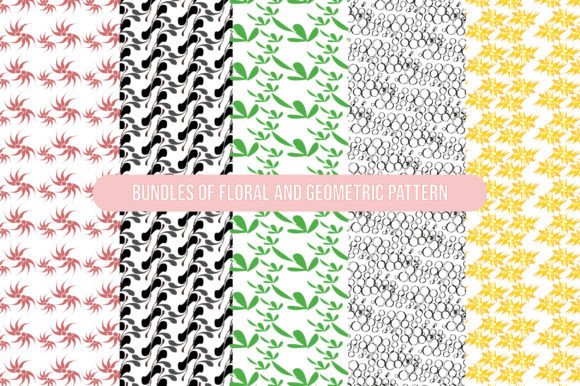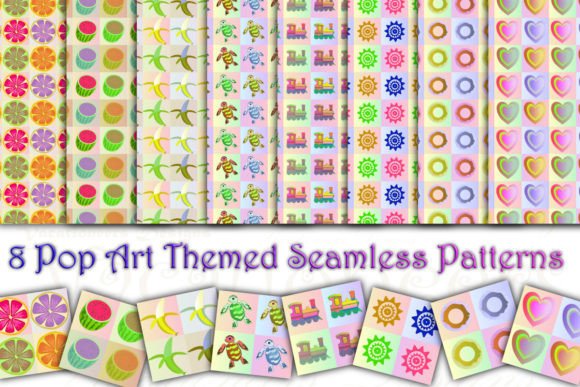
Traditional Seamless Patterns
Traditional seamless patterns are timeless design assets—repeating motifs rooted in cultural heritage, textile history, and artisanal craftsmanship. Unlike trendy digital repeats, these patterns carry visual weight, narrative depth, and tactile authenticity. They’re not just decorative; they’re functional building blocks for designers, marketers, educators, and small business owners who need consistency, elegance, and instant visual resonance.
What Makes a Pattern “Traditional” and “Seamless”?
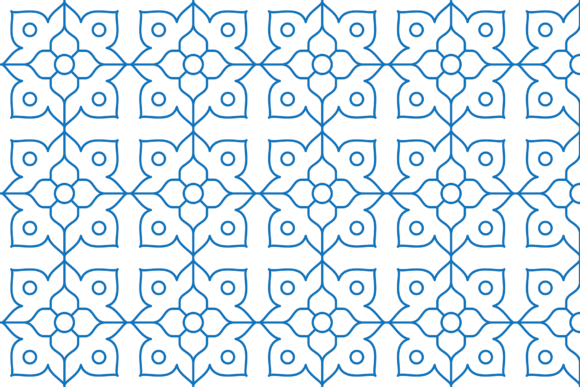
A traditional seamless pattern combines two essential qualities: historical or regional design language (think Persian florals, Japanese karakami, Celtic interlacing, or Polish folk motifs), and technical precision—a repeat that tiles infinitely without visible seams or alignment breaks. The “seamless” part isn’t just about aesthetics—it’s about usability. Whether scaled across a 20-foot trade show banner or shrunk into a favicon-sized icon, the pattern holds integrity.
When delivered as an EPS file, that seamlessness becomes even more powerful. EPS (Encapsulated PostScript) is a vector format that preserves crisp lines, scalable geometry, and editable paths—no pixelation, no quality loss at any size. It’s the gold standard for print production, branding systems, and multi-platform asset libraries.
Why Designers and Brands Reach for Traditional Seamless Patterns
Because they solve real problems. A boutique clothing label launching a capsule collection needs fabric prints that feel hand-drawn yet production-ready—traditional seamless patterns in EPS offer both character and reproducibility. An educator designing printable classroom posters benefits from culturally rich borders that subtly reinforce themes (e.g., Māori koru patterns for lessons on growth and cycles). A freelance web designer building a wellness brand site might use a subtle henna-inspired repeat as a background texture—scalable, lightweight, and emotionally grounded.
These patterns also bridge communication gaps. A floral chintz repeat signals heritage and warmth; geometric Islamic tessellations convey precision and harmony; Slavic red-and-black motifs instantly evoke folklore and resilience. That semantic layer—what the pattern *means*, not just how it looks—is why they outperform generic stock repeats in branding and storytelling contexts.
Key Strengths You’ll Notice in Practice
- Scalability without compromise: EPS-based traditional seamless patterns retain fidelity whether used on a business card or a billboard.
- Editing flexibility: Open the EPS in Illustrator or Affinity Designer, and you can recolor individual elements, adjust spacing, or isolate motifs for custom compositions.
- Cultural resonance with authenticity: Well-researched patterns avoid appropriation by honoring proportion, symbolism, and historical context—not just copying surface shapes.
- Efficiency in layout work: One properly constructed seamless tile eliminates hours of manual tiling, cloning, or troubleshooting alignment in Photoshop or Figma.
Where These Patterns Deliver Tangible Value
Consider a small publisher producing illustrated children’s books. Instead of commissioning custom endpapers for each title, they license a curated set of traditional seamless patterns in EPS—Persian paisleys for a story set in Isfahan, Scandinavian rosemaling for a Nordic folktale. Each repeat reinforces setting and tone while keeping production timelines predictable.
Or take a corporate LMS (Learning Management System) platform. Their UX team integrates subtle, low-contrast traditional seamless patterns as section dividers and module backgrounds. Not as decoration—but as visual anchors. Learners subconsciously associate the repeating motif with “this is where assessments live” or “this is the reflection space.” It adds structure without clutter.
Freelancers building pitch decks for clients often overlook how much credibility a refined, culturally informed background pattern lends—even in grayscale. It signals attention to detail, respect for craft, and strategic intention—not just “I found something pretty online.”
Practical Considerations Before You Use or License
Not all traditional seamless patterns are created equal. Here’s what to check before downloading or purchasing:
- Verify the repeat logic: Open the EPS in your vector editor and duplicate the tile four times in a 2×2 grid. Zoom in at the junction points—if you see misaligned edges, gaps, or overlapping strokes, the pattern isn’t truly seamless.
- Check color model and layers: For print use, ensure the file uses CMYK or spot colors—not RGB-only swatches. Layer organization matters too: motifs, background, and repeat boundaries should be logically grouped and named.
- Review licensing scope: Does the license cover merchandise resale? Web embedding? Editorial use? Some traditional pattern collections restrict commercial product application unless upgraded—read the terms, not just the thumbnail.
- Assess motif density and rhythm: A tightly packed Ottoman medallion repeat may overwhelm small UI elements but shine on packaging. Conversely, a sparse Japanese wave repeat could vanish at large scale. Test at your intended output size first.
Also worth noting: many high-quality EPS pattern libraries include companion PDF guides explaining motif origins, typical usage eras, and regional variations. That context helps you apply the pattern thoughtfully—not just decoratively.
Real-World Integration Tips
If you’re embedding a traditional seamless pattern into a website background, export a lightweight SVG version from the EPS instead of rasterizing. SVG scales infinitely and loads faster than PNG tiles. For branding kits, keep one master EPS file and generate derivative versions (CMYK for print, RGB for screens, monochrome for embroidery)—but always preserve the original vector source.
Teachers using these patterns in worksheets or slide decks should mute saturation by 20–30% to reduce visual fatigue during long lessons. And entrepreneurs applying them to product labels? Leave at least 3 mm bleed and confirm with your printer that the EPS contains outlined fonts and embedded previews—no surprises at press time.
Ultimately, traditional seamless patterns in EPS format aren’t nostalgia props. They’re precision tools—steeped in meaning, engineered for utility, and quietly effective across disciplines. Whether you're refreshing a Shopify store theme, illustrating a grant proposal, or designing signage for a cultural center, choosing a well-crafted, technically sound traditional seamless pattern saves time, deepens impact, and honors the craft behind the repeat.